

·Published by GroundWork
Noah Labs and the Unglamorous Work Behind Secure AI
Murat Can Işık left a startup that had raised $25 million to build AI for the places the cloud can’t reach. Now he is working 16-hour days to get it there.
Written by the Groundwork Team
In the space of two weeks, Murat Can went from a military deployment at Camp Grayling in Michigan, to a meeting with investors in Seoul, to a TechCrunch event in San Francisco. When we caught him on a call, he was between engagements, heading back to Boston, and clearly not slowing down.
Işık is the CEO and co-founder of Noah Labs, which builds Sentinel, an AI-native development environment designed for air-gapped, highly secure and heavily regulated settings.
The pitch is simple: defence programs, banks and other regulated organisations maintain critical software, but they cannot send their code to a cloud AI. Noah Labs brings the AI to them, running entirely inside their own infrastructure.
From Istanbul to Stanford
Işık grew up in Istanbul and came to the United States for his education: a master’s at Drexel in Philadelphia, then a PhD in electrical engineering at Stanford. His research focused on brain-inspired computing, which he describes as work that “remixed the brain into the silicon.” It also led him to IBM, whose neuromorphic chips, TrueNorth and NorthPole, he followed closely as, in his words, a “super, super big fan.”
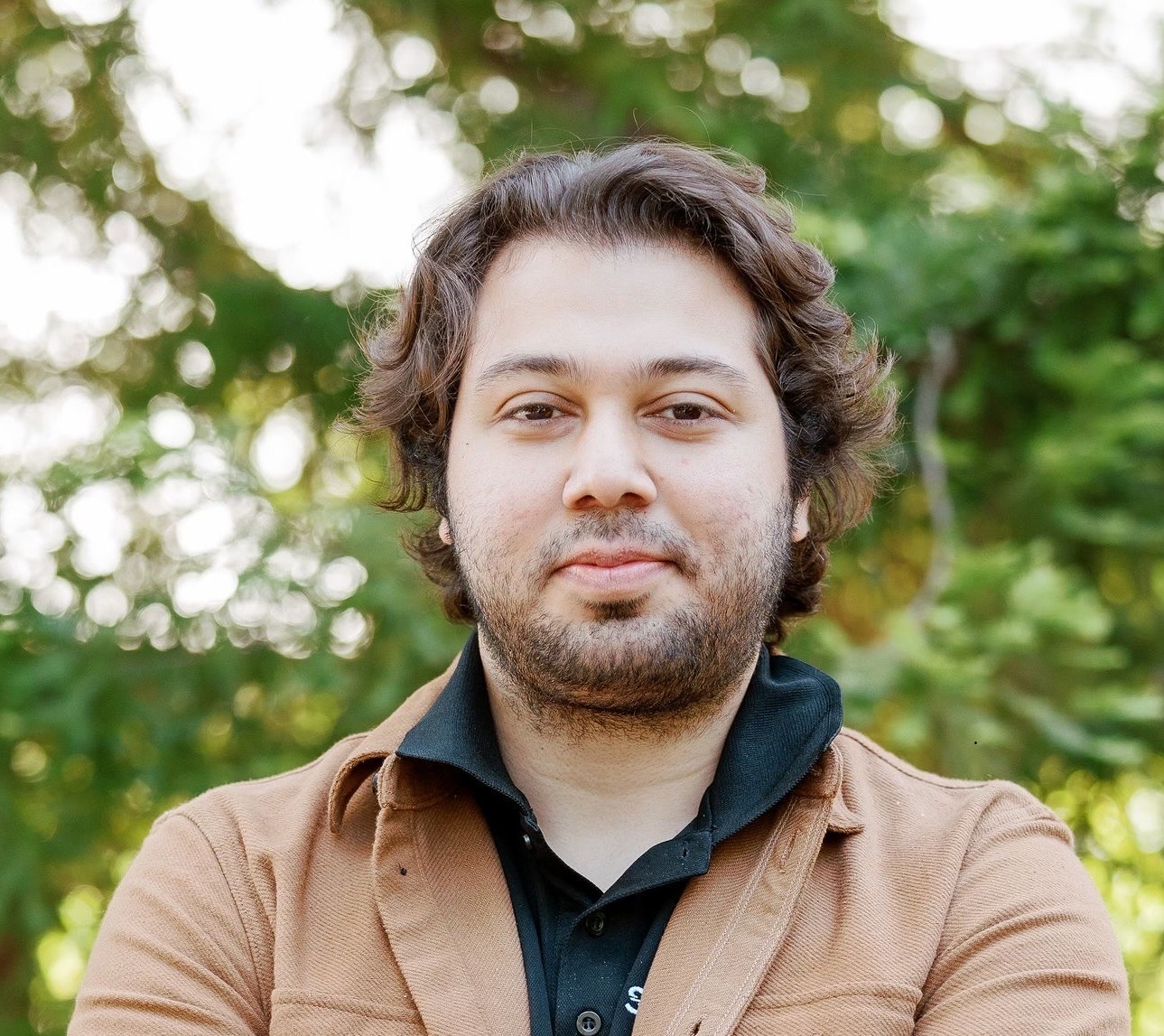
During his PhD, he co-founded a company, Chip Interfaces, which raised almost $25 million from tier-one and tier-two venture investors and built a foundation model for government contractors. But after the seed round, Işık wanted to work closer to the application layer. He left, selling his shares back to the company, and went looking for something different.
A problem handed to him
At the start of this year, he co-founded Noah Labs with friends from Columbia University and Purdue University. The idea, he says, came from a company advisor who had spent years wrestling with legacy code at Lockheed Martin. Through that advisor’s network, the team secured a design partnership with Lockheed Martin itself. The company focuses on code modernization and code generation for the older codebases that regulated industries still depend on. From January to May, the team was, as Işık puts it, in hyper-focus on product design and product-market fit. It took several months, he says, to make sure the product would meet customers’ expectations. Since the launch, the work has shifted to going to market: attending events, collecting feedback and adjusting pricing and contract structures. They are already building the next generation of the product, but Işık is wary of launching too often. In a niche domain, he says, one launch a year is probably enough.
The same advisor taught him something no engineering degree had. Defence and government technology, Işık learned, does not run on technical merit alone. “Of course you have to be super social, know the people, build your relationships,” he says, and the procurement cycle is long. Part of his job now is making up for the fact that, by training, he is an engineer.
The money, and what comes next
At the time of our conversation, Noah Labs was closing a pre-seed round of close to $2 million, with IBM Ventures and Plug and Play leading. Enter Korea, an earlier investor, is helping to introduce the team to Korean aerospace and technology groups, including Hanwha and LG. Işık was hoping to close a small contract with Hanwha shortly afterwards.
The ambition is not small. Işık wants Noah Labs to become “the next Palantir” for regulated industries, and he hopes to reach a billion-dollar valuation within three to five years. An acquisition by a major AI lab or technology company is a possible route, but the goal he returns to most is more personal: seeing the software used in the field, and getting feedback from the people who rely on it.
Getting to know the founder
Ask Işık what he misses about Turkey and the answer isn’t a place. It’s people - family and friends, mostly. Otherwise, he says, he and his wife have built “a small Turkey” of their own in the US, complete with close Turkish friends and a very good cook in the kitchen. Her Turkish dumplings are a house favourite, and so is lahmacun, which he happily describes as Turkish pizza. His circle isn’t only Turkish, though. Some of his closest friends from his PhD days are two Korean students from Seoul National University.
Could he see himself moving back one day? Not now. Maybe, he says, Noah Labs could eventually have a presence in Turkey and pursue defence contracts there, but for now he is all in on the US market. He even suggests his role model is a California burger chain. Işık loves the In-N-Out business model: stay local, and aim to be the best in California rather than opening in Boston, New York or Texas. Noah Labs sells into a sceptical, niche, regulated market, and as an early-stage startup, he says, “you shouldn’t distract yourself.”
Where he does his thinking
Every founder needs somewhere to think. For Işık, it isn’t a whiteboard or a boardroom. It’s fishing.
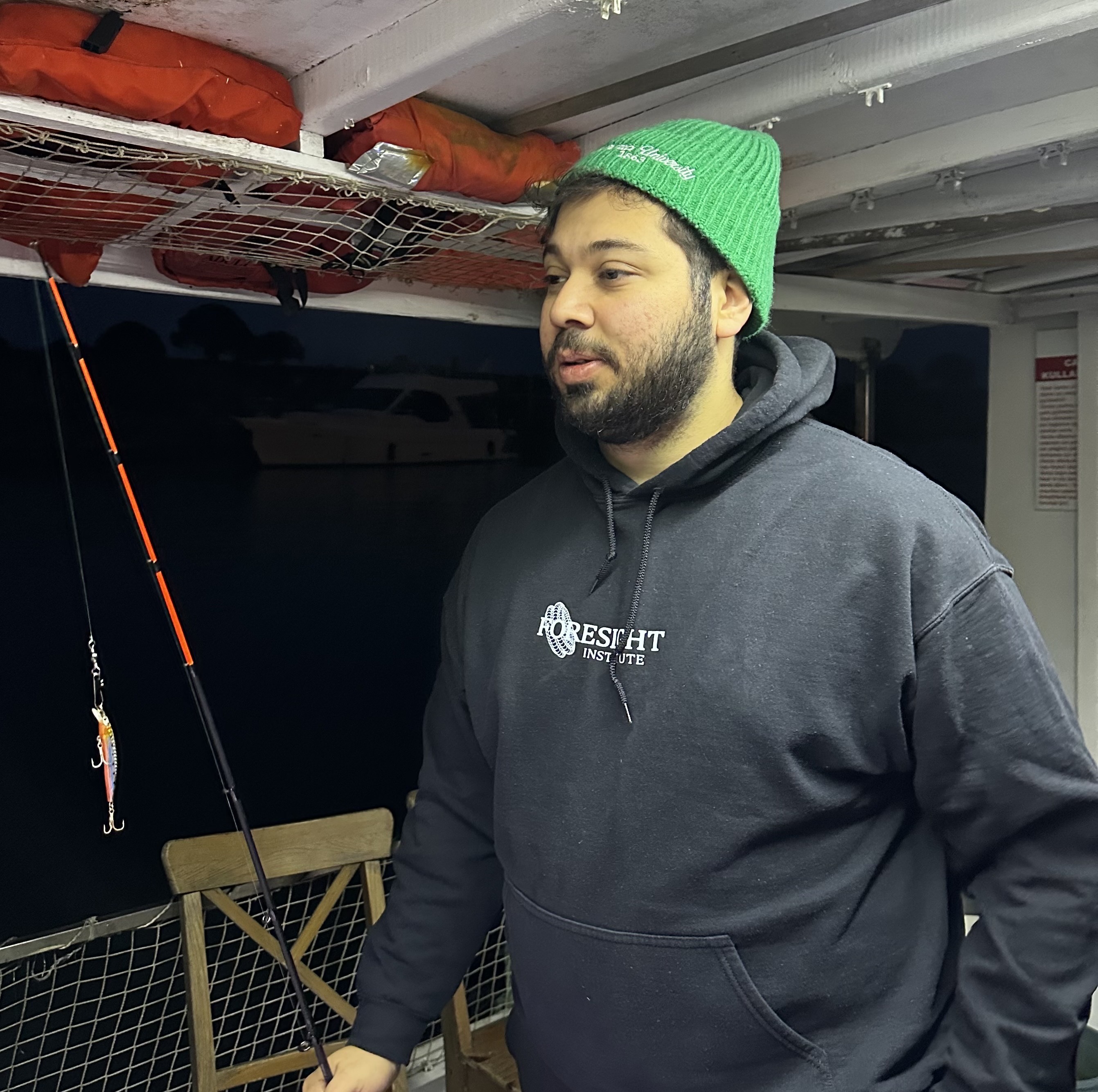
He usually goes alone, though his wife and friends sometimes join him, and he treats it as a debrief with himself. The question he keeps coming back to is simple: what did I do wrong? Why was a paper rejected from a conference like NeurIPS or ICML, say.
Fishing, he says, is about “patience,” and a chance to talk to yourself and work out what is going on in life. When we suggested it sounds like meditation, he agreed. “Self-recollection” is his phrase for it. It is a lovely little ritual for someone whose working days run 14 to 16 hours. But it fits the story of a founder doing the groundwork himself, one long day at a time.
Check out Noah Labs. to see where the groundwork leads next.
Comments
No comments yet.
Comments are paused for now. Likes stay open.