

·Published by GroundWork
Sanguk Park and the Case for Being Ridiculously Positive
One pivot, one acqui-hire and a lot of Trader Joe's chicken: how this Korean founder built his groundwork in San Francisco.
Written by the Groundwork Team
Sanguk Park remembers the budget exactly. When he and his co-founder first moved to San Francisco, they spent less than ten dollars a day on food, between the two of them. Everything came from the Trader Joe's near where they were living: chicken thighs at five or six dollars for four pieces, plus a dollar's worth of frozen vegetables, fried in a pan.
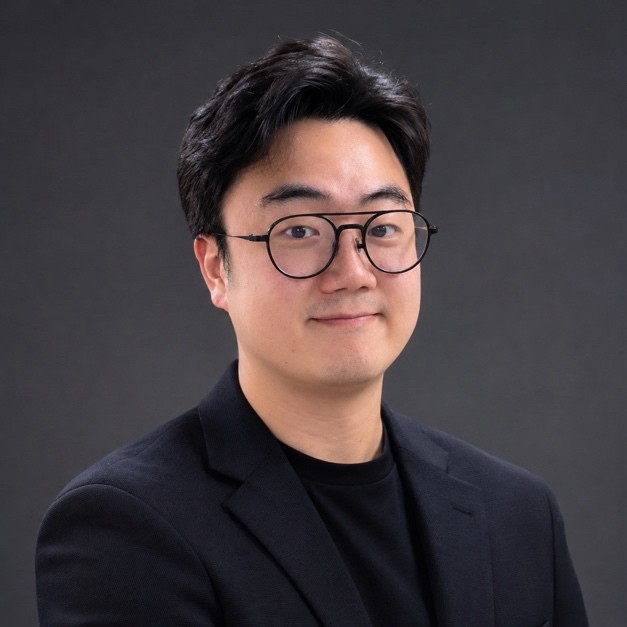
Park, 33, now leads go-to-market engineering at Jigo, an AI-native real estate agency on the US West Coast. He is building internal CRM pipelines and an AI agent for go-to-market work called May, a name taken from "marketing." He joined three months ago, when Jigo acqui-hired his previous team. It is his third chapter in startups, and he is calling in from Korea, where he is based.
Why start up at all
Park has wanted to start a company since college, for one simple reason. "I don't really like boring things," he says, and a big company sounded boring. He studied AI, with a focus on computer vision, in graduate school, because he figured he needed to understand the technology before building a company on it. He then joined a Korean startup as its first employee and spent about two years there, leading the machine learning team as it grew from just him to twenty people. After that, came Antler Korea, where he met his co-founder. After a lot of discussion in Korea, the two decided to just go to San Francisco. His logic was plain: startups are hard wherever you build them, so if he was going to put in the effort, he might as well do it in the largest market.
Asking the wrong question
Their first company, roughly four years ago, was an AI assessment system for hiring software engineers. The idea came from news of a candidate who built an AI tool to get through coding interviews and was hired at AWS. Park figured traditional tests wouldn't survive AI, so he and his co-founder built an anti-cheating system for coding exams. Then they interviewed potential customers. Most said they didn't want to ban AI at all. They wanted to see how well candidates used it. "We were asking some wrong questions," Park says, so they pivoted to assessing how people work with AI. After about three months in San Francisco, they hit a second problem. Nobody agreed on what "good at AI" meant. Some experts said speed mattered most, others integrity, others the quality of the questions a candidate asks. There was no standard to build an assessment around.
Building in a second language
San Francisco's prices were one struggle. The other was language. "There is an invisible barrier between people and me," Park says of working as a non-native English speaker. Winning people's trust that he knows what he's doing, he says, is one of the hardest parts.
Building on trust
Park's second company, Tickle, started in Irvine, at UC Irvine. It was a secondhand marketplace for college students, built on the idea that strangers are easier to trust when you know they belong to the same school. Park was the CTO, working from Korea, while his co-founder handled market research and business development on the ground. After about a year of experiments, they found a different need. A research company told them that businesses badly want to survey Gen Z college students, but reaching them is the hard part. Tickle already had that audience, so the two companies partnered. Students were paid to take surveys, and the research company got the data. Park is candid about the numbers. There was no meaningful MRR, he says. They were collecting users.
The chicken thigh theory
When asked about his greatest strength, Park doesn't hesitate: "being ridiculously positive." "Life sucks, and life doesn't go as I expected," he says, so positivity is the most powerful tool he has. He applies it even to the chicken thighs. "It is good to have chicken thigh because it's so cheap, so I can cut my budget." Positive thinking, he says, is his biggest weapon.
Getting to know the founder
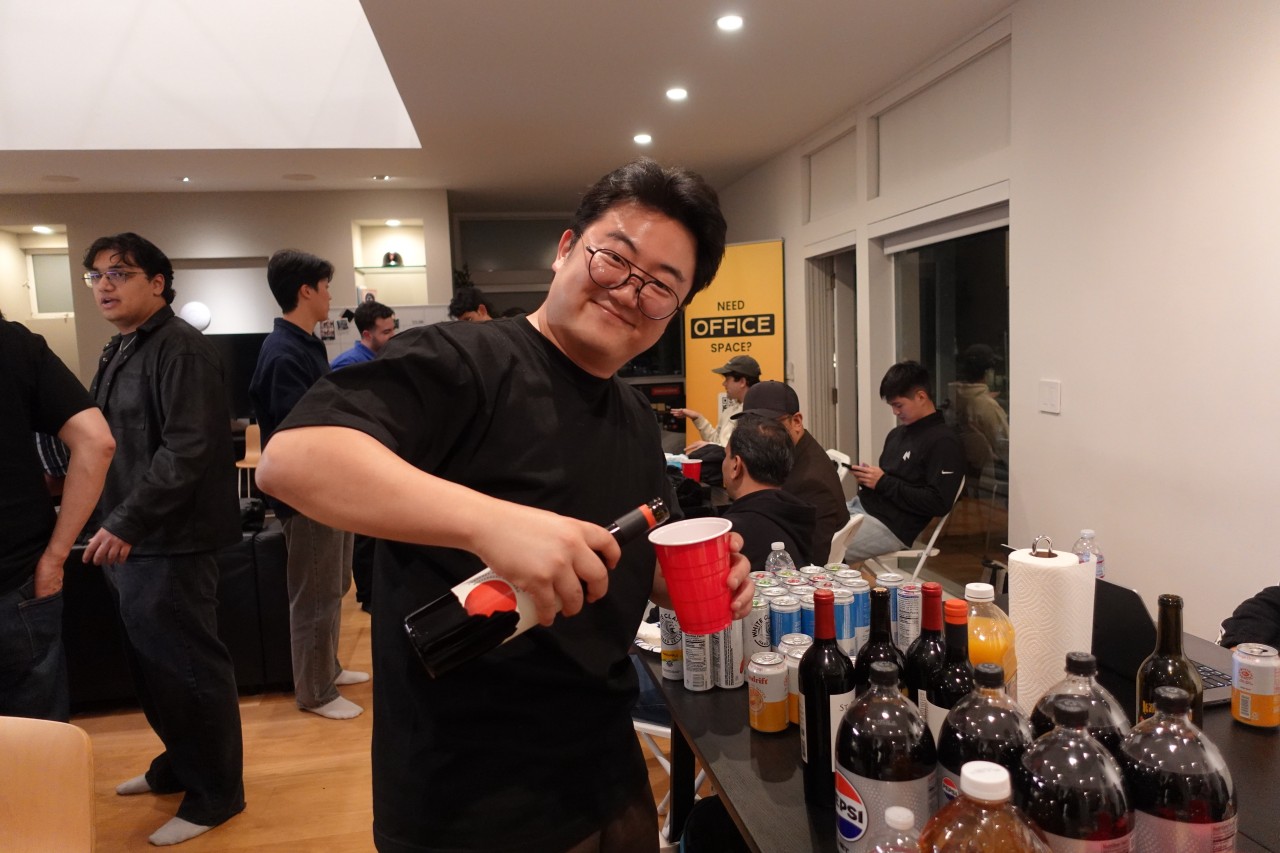
Park says he's still looking for another hobby. His definition is something that relieves stress. He has tried amateur musical performance and the gym, and he watches a lot of movies. In high school he dreamed of directing, and in his second year of college he filmed an independent movie. Lately, though, his hobby is building. He's made a to-do management system for himself and a context-management system for his company, neither of which has anything to do with go-to-market work. It fits a founder whose groundwork has been a string of experiments across two countries, each one a lesson in asking better questions.
Check out Jigo to see where it leads next.
Comments
No comments yet.
Comments are paused for now. Likes stay open.